
Home / Applications / Panel Building
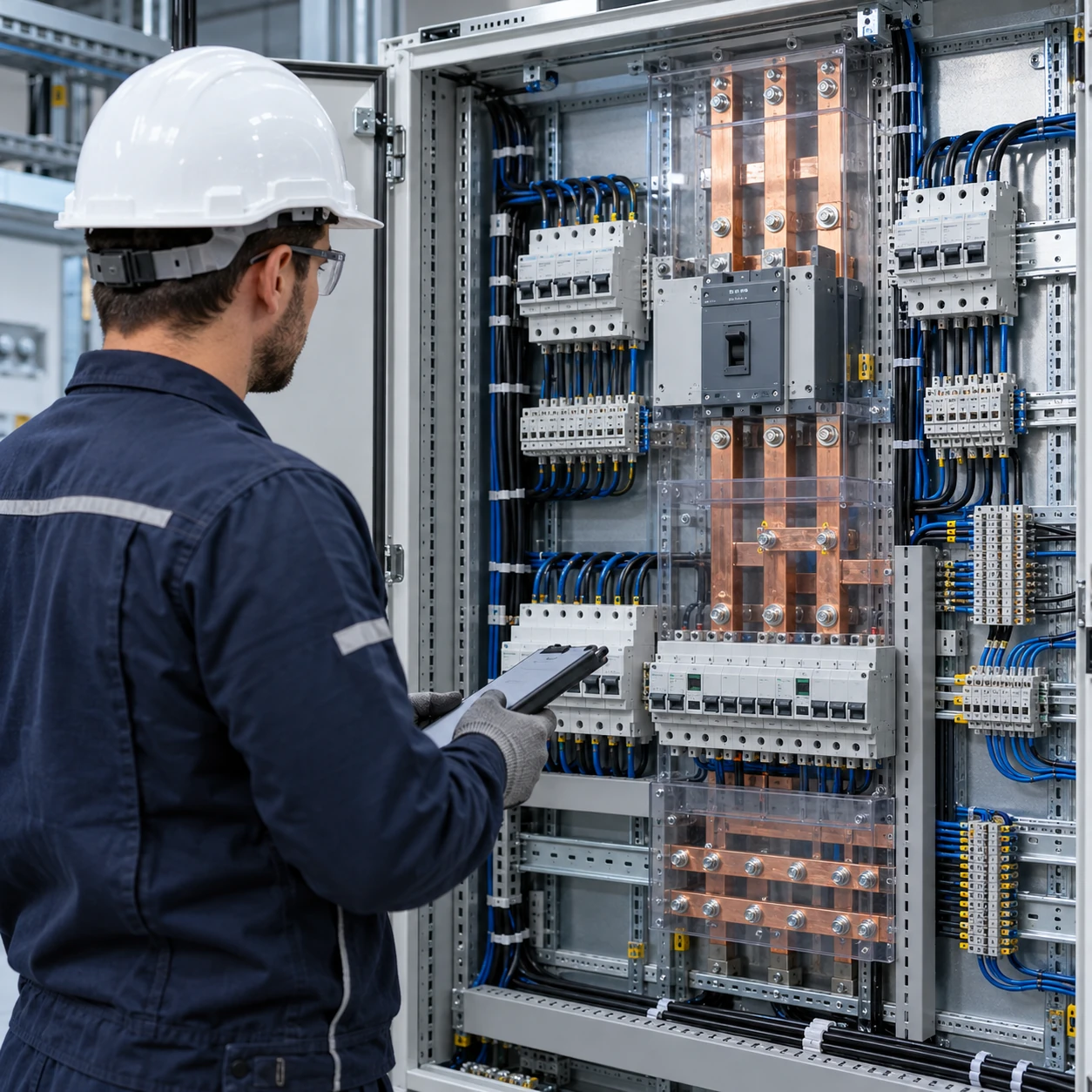
Bring supply, distribution, protection and outgoing connections together in a clearly organized low-voltage panel.
Follow the electrical path through the assembly. Mounting, support and conductor organization make each zone easier to specify and maintain.
Establish the supply and main-device requirements.

Allocate incoming conductors to the required circuits.

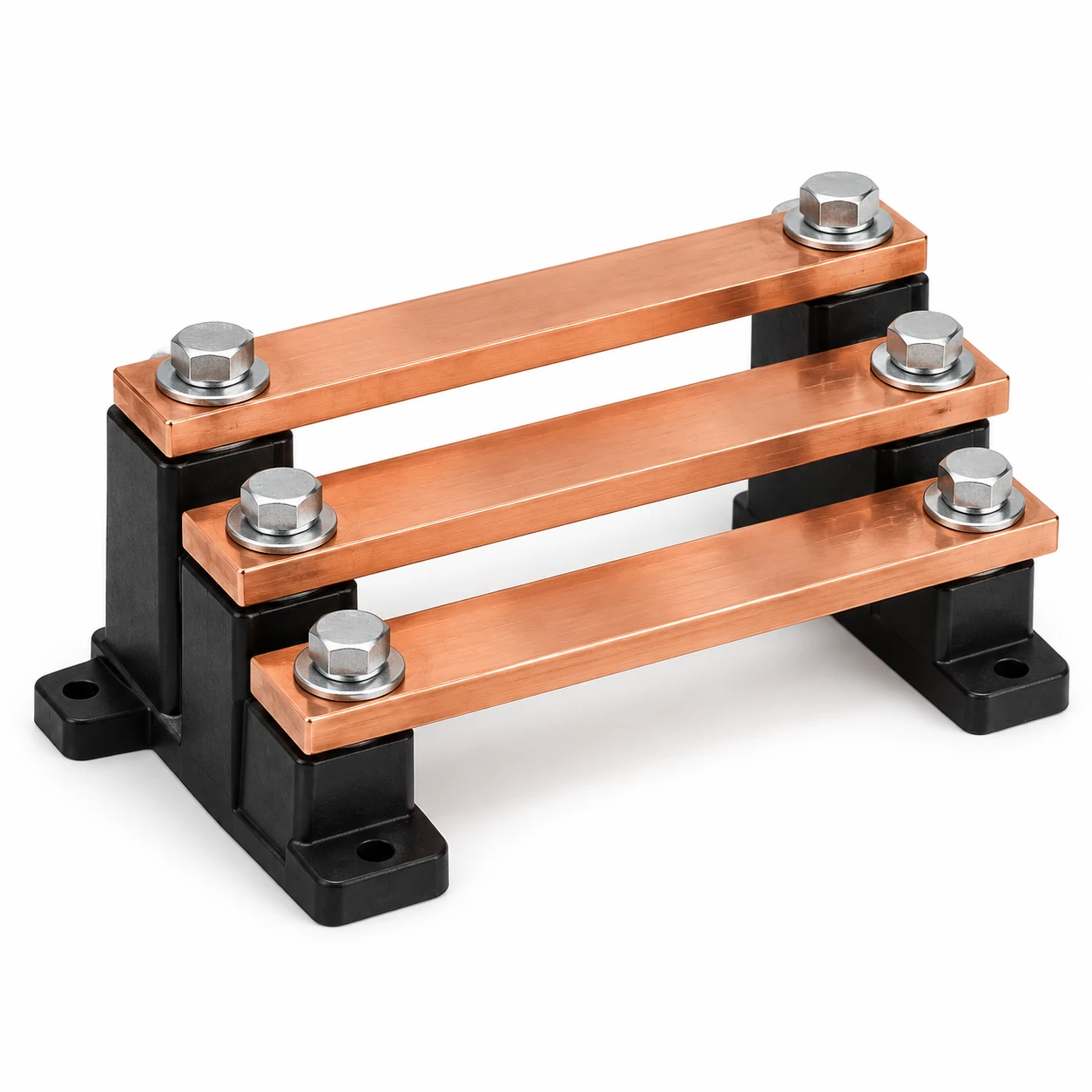
Organize distribution through the busbar assembly.
Select and coordinate protection for each branch.

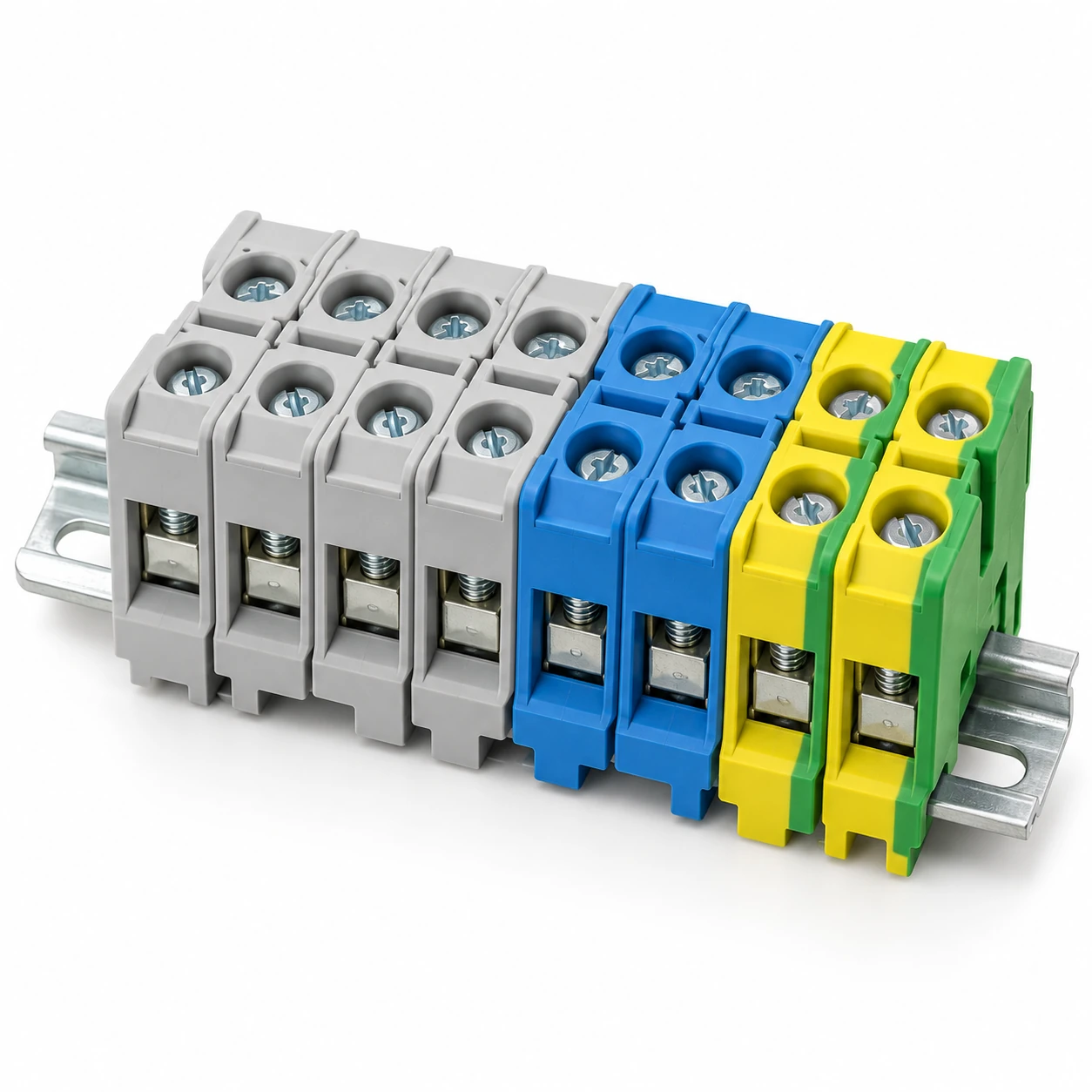
Give field conductors clear connection points.
Identify destinations, loads and service boundaries.
Conceptual architecture only, not a wiring diagram or assembly verification. The panel builder must verify component compatibility, protection coordination, thermal performance, fault withstand and the complete assembly.
Begin with each component’s function. Confirm exact models, availability, ratings and documentation for your project.
Plan main distribution around the bar geometry, supports and assembly configuration.
Review conductor splitting, termination range and the number of outgoing ways.
Coordinate branch protection with circuit requirements and compatible connections.

Match the mounting profile, material and usable length to the panel layout.
Organize power, control and field connections with clear conductor destinations.
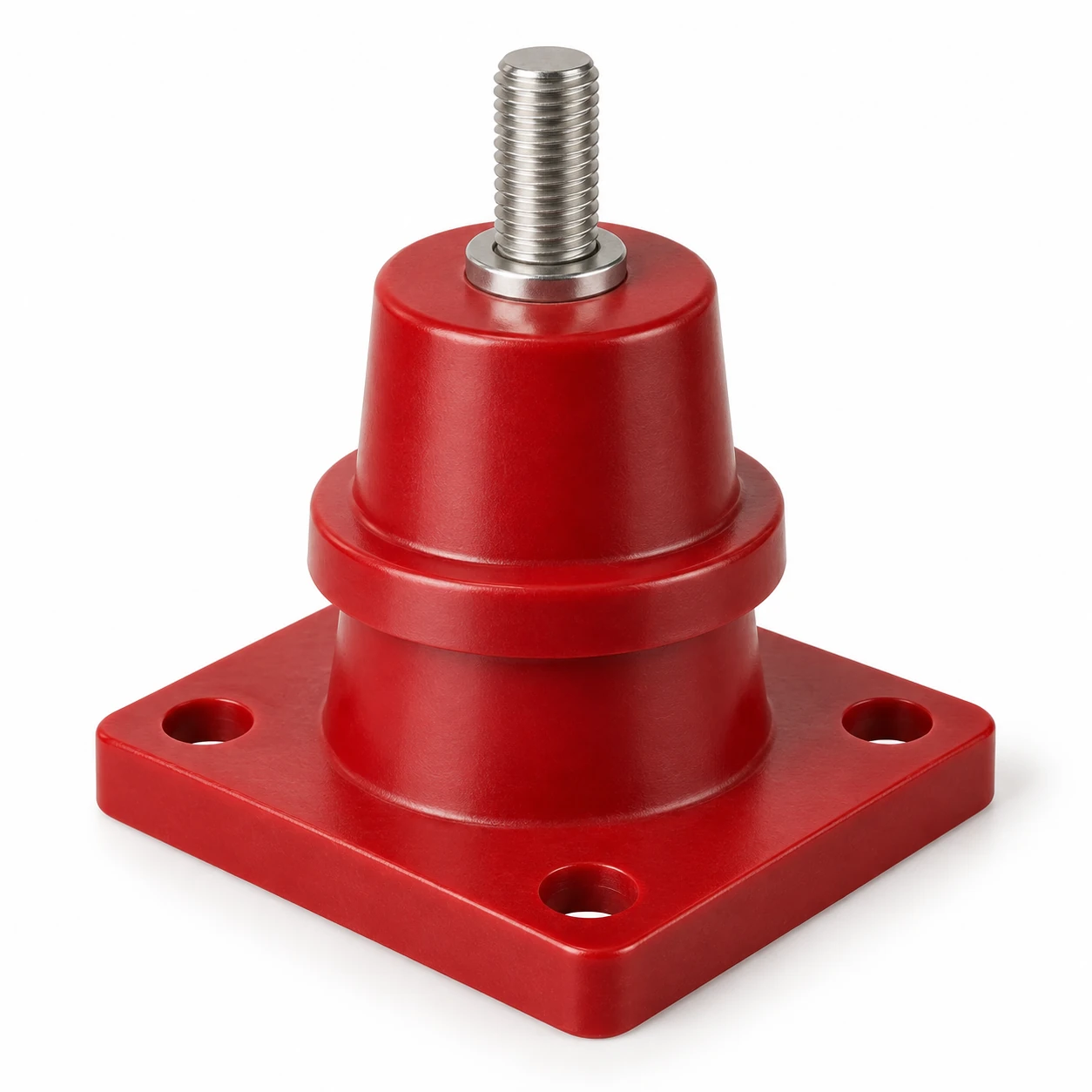
Check insulation, dimensions and mechanical fit for the chosen busbar arrangement.
Product-family illustrations; exact appearance and configuration are model-specific.
Share confirmed requirements and flag unknown values for review before finalizing the component list.
Confirm system voltage, frequency, phases and earthing arrangement.
Provide incoming and outgoing currents and the available fault level.
Identify material, cross-section, cable entry and termination method.
Review enclosure space, mounting, supports, clearances and service access.
Send your panel concept, system ratings, conductor details and quantities. We will help review the component requirements.
Ready to Work Together? Build a project with us!