A clear, visual guide to the 15 plug and socket systems used around the world. Compare pin layouts, grounding, current ratings and common regions.
Select a country on the map, or search above.
AmericasEuropeAsia PacificMiddle East & Africa
PLUG & SOCKET REFERENCE
15 systems. One clear reference.
Explore the most common plug and socket types used around the world. Select a type to see its pin layout and key specifications.
Showing 8 of 15 plug types
A
Type A
United States, Canada, Mexico and Japan
100–127 V
B
Type B
United States, Canada and Mexico
100–127 V
C
Type C
Much of Europe, Africa, Asia and South America
220–240 V
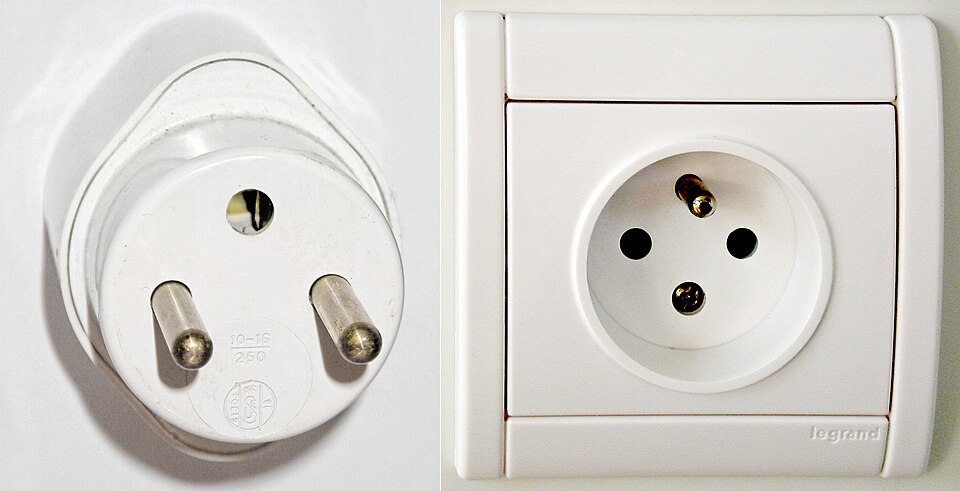
D
Type D
India, Nepal and neighbouring markets
220–240 V
E
Type E
France, Belgium, Poland, Czechia and Slovakia
220–240 V
F
Type F
Germany, Austria, Netherlands, Spain and other European markets
220–240 V
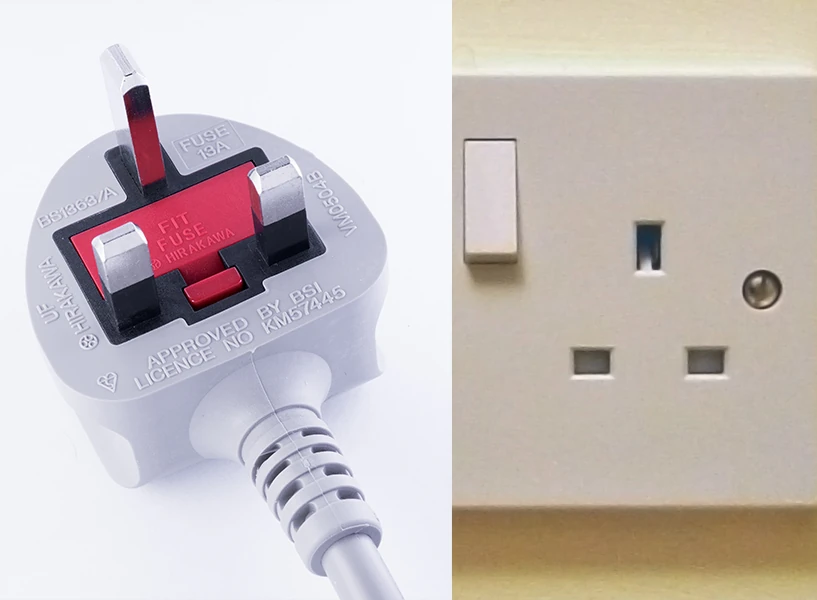
G
Type G
United Kingdom, Ireland, Malaysia and Singapore
220–250 V
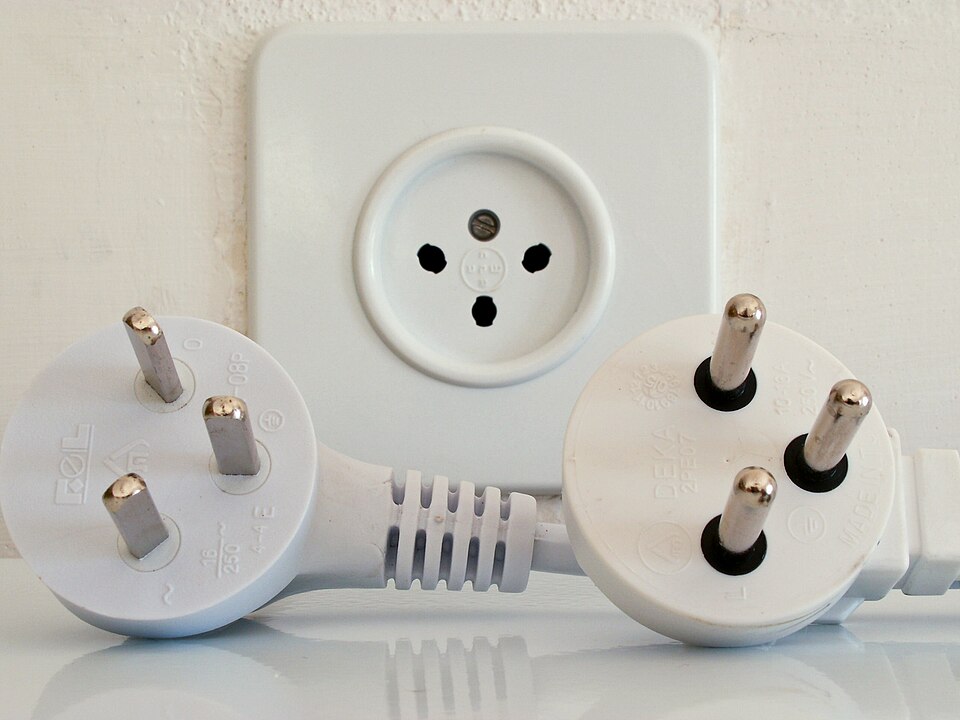
H
Type H
Israel
220–240 V
I
Type I
Australia, New Zealand, China and Argentina
220–240 V
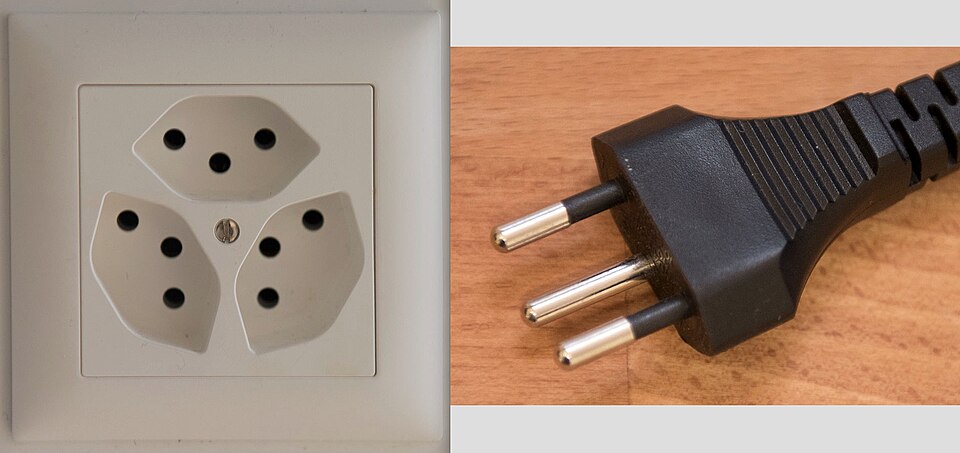
J
Type J
Switzerland and Liechtenstein
220–240 V
K
Type K
Denmark and Greenland
220–240 V
L
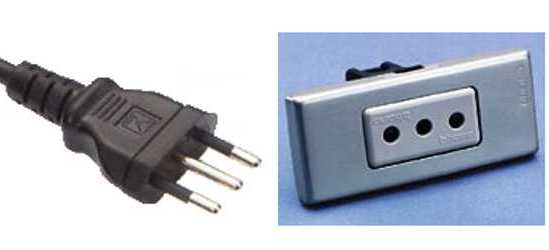
Type L
Italy and Chile
220–240 V
M
Type M
South Africa and selected neighbouring markets
220–240 V
N
Type N
Brazil and South Africa
100–240 V
O
Type O
Thailand
220–240 V
No matching plug types
Choose another region, or reset the filters.
Check voltage and frequency before connecting.
The plug shape describes a physical connection. Local voltage and frequency can vary by destination; check the appliance input label and the actual supply before use.
GOOD TO KNOW
Adapter or voltage converter?
Use a plug adapter
An adapter changes the physical connection so a plug fits a different socket. It does not change voltage or frequency. Check the device input range, power rating and required grounding.
Use a voltage converter
A suitable converter or transformer changes the voltage. Confirm the load, power rating and appliance type; a voltage converter generally does not change the supply frequency.