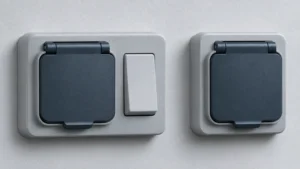
Water inside a waterproof switch box can enter through a damaged seal, unsuitable cable entry, unused opening or distorted enclosure. It can also arrive through conduit or form as condensation inside the box. The word waterproof does not guarantee a dry interior after incorrect installation, damage or service beyond the product's rated conditions.
Isolate the affected circuit first
If you find moisture, corrosion, repeated protective-device trips, heat damage or abnormal operation, stop using the affected circuit and arrange inspection by a qualified electrician. Isolate the supply from a safe location before the box is opened. Do not touch wet electrical components or repeatedly reset a tripping device.
Drying the visible water does not establish that the mechanism is safe. Water can leave conductive contamination or corrosion behind, and it may have reached parts you cannot inspect. Keep the circuit out of service until the cause and component condition have been assessed.
Use the moisture pattern to narrow the search
These patterns suggest inspection priorities; none proves the cause alone. Record when the problem occurs, the weather and whether irrigation or cleaning was operating. Photographs taken safely after isolation can help the installer compare events.
| Observed pattern | Possible cause | Inspection focus |
|---|---|---|
| Wet trail below an entry | Gland or conduit entry leak | Cable diameter, seals, fittings and runoff path |
| Water near cover edge | Gasket damage or uneven closure | Gasket seat, debris, cover and box distortion |
| Moisture after cold nights | Condensation is possible | Temperature changes, trapped humidity and conduit connection |
| Water arriving despite a dry cover | Conduit or rear-entry path | Cable route and upstream water source |
| Cracking or brittle plastic | Material ageing or damage | Replace damaged enclosure; assess exposure |

Check the gasket and closure
A gasket needs a clean, undamaged seating surface and the intended compression. Sand, paint, a trapped conductor or a folded corner can interrupt the seal. A cracked lid or damaged latch can prevent correct closure even when the gasket looks usable.
More tightening is not a universal fix. Excessive force can deform plastic or damage fasteners. Follow the specified closure procedure, replace damaged parts with compatible components and check whether the enclosure is being pulled out of shape by its mounting.

Inspect glands, unused entries and cable routes
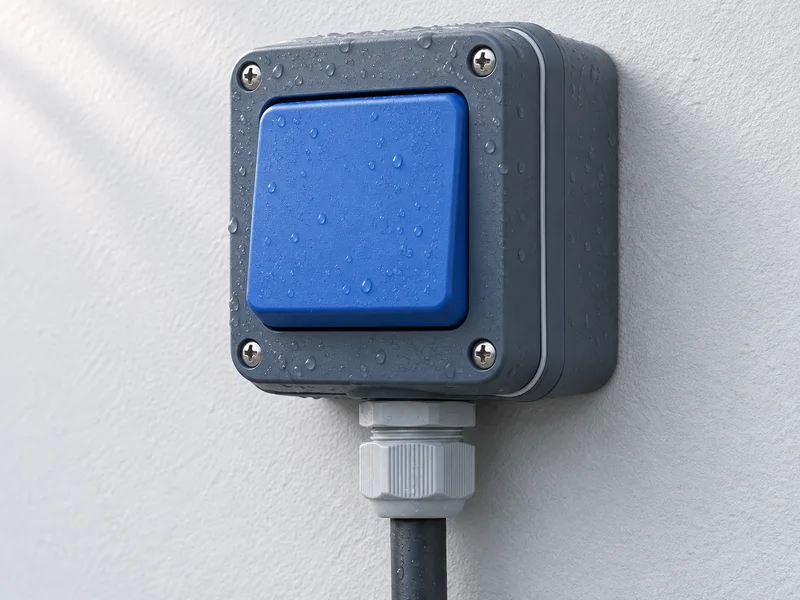
A gland selected by thread size alone may not seal the cable. Confirm that the actual cable outside diameter falls within its clamping range and that the intact jacket reaches the sealing area. Check washers, entry threads and unused openings for missing or incompatible components.
Water can run along a cable, travel through a poorly arranged conduit system or enter behind a box through a rear opening. Correct the water path as well as the local fitting. Applying sealant over a wet or incompatible assembly can hide the defect without restoring the intended protection.

Separate condensation from a rain leak
Condensation can occur when humid air inside the enclosure meets a surface below its dew point. A box can therefore contain droplets without a direct rain leak at the cover. Temperature cycling, moisture admitted during maintenance and connections to damp conduit can contribute.
Do not solve this by drilling random holes. Use only the manufacturer's approved drainage or pressure-management arrangement and understand its effect on ingress protection. Large industrial enclosure solutions should not be copied into a compact switch box without design approval.
Technical reference: Rittal: moisture and condensation in enclosures.
Repair or replace?
Replace cracked housings, damaged closures and compromised seals using the appropriate product or approved parts. If water has entered the switching mechanism, ask the manufacturer and electrician to determine whether replacement is required. Do not assume that contact cleaner or surface drying restores its electrical performance.
If the installed environment exceeds the original product's limits, replacement with an identical model may repeat the fault. Reassess direct spray, flooding, sunlight, corrosion and cable routing. The solution may require a different product, a better location or a revised entry arrangement.
Prevent the same failure returning
A successful repair addresses both electrical condition and the moisture source. Keep the model and installation instructions with the maintenance record so future work does not accidentally undo the sealing arrangement.
- Document the actual entry route or condensation mechanism.
- Restore the complete approved sealing arrangement.
- Keep unused openings closed with compatible components.
- Correct mounting distortion and cable strain.
- Complete electrical verification before returning the circuit to service.
- Set inspection intervals for the exposure and manufacturer's instructions.
Frequently Asked Questions
Why is there condensation in a waterproof electrical box?
Humid air can condense on internal surfaces when they cool below the dew point. A sealed enclosure does not automatically control the humidity already inside it.
Can I drill a hole to drain my switch box?
Only where the exact product instructions prescribe or permit it. An improvised opening changes the enclosure and may reduce its ingress protection.
Can I keep using a switch after it gets wet inside?
Keep it out of service until a qualified person assesses the mechanism, wiring and cause. Visible dryness does not prove that contamination or insulation damage is absent.
Will silicone stop a waterproof switch box leaking?
Only a compatible sealant used where the manufacturer permits can form part of an approved repair. It cannot replace a cracked housing, wrong gland, damaged gasket or unsuitable location.
Related Reading
How to Install and Wire a Waterproof Switch
Water Getting Inside a Waterproof Junction Box
References
Rittal: moisture and condensation in enclosures
BG Electrical installation instructions: product-specific entry and drainage requirements
This guide explains general selection principles. Confirm the exact model documentation and local installation requirements for your project.