
How to Choose a Waterproof Socket for Outdoor Use

Choose an outdoor waterproof socket by checking five things together: the destination plug standard, connected load, water exposure, protection with the plug inserted and the complete installation method. Start with the job you need the outlet to perform, then select a documented assembly. Choosing by an IP number or outlet count alone leaves important compatibility […]
Do Outdoor Waterproof Sockets Need RCD or GFCI Protection?

Yes: outdoor sockets generally need an appropriate electric-shock protection arrangement as well as weather protection. A waterproof enclosure and an RCD or GFCI address different hazards. The enclosure limits ingress under specified conditions; the protective device detects certain fault-current conditions and disconnects the supply. Neither makes an unsafe installation acceptable. For a UK project, discuss […]
Types of Wire Splice Connectors and Their Uses
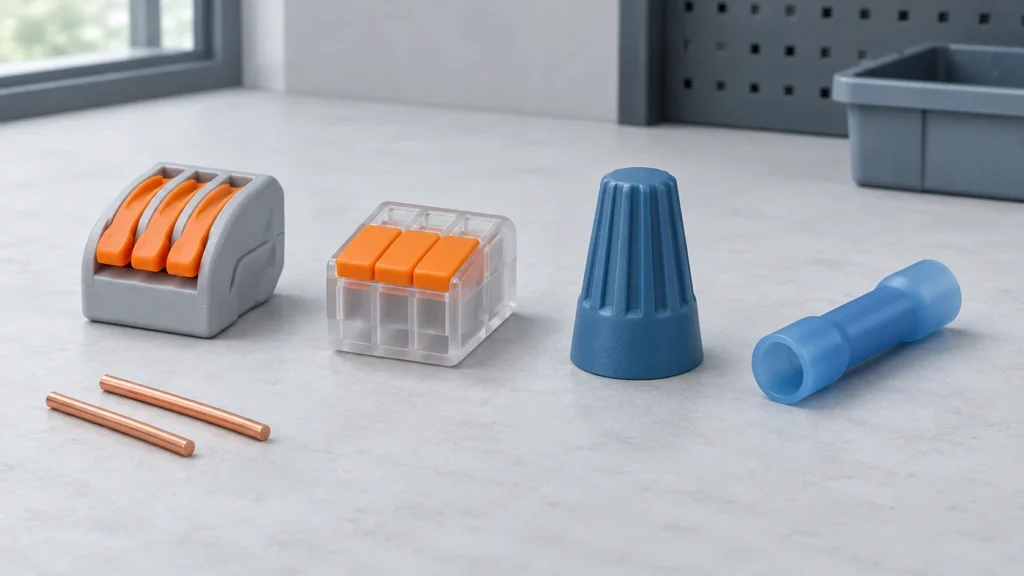
The main wire splice connector types are lever-operated spring connectors, direct push-in connectors, twist-on connectors, crimp splices and specialized sealed splice systems. Choose by the connection you need to make and the conductors involved. The easiest connector to operate is useful only when its exact specifications fit your application. Your first decision is whether you […]
Wire Splice Connectors: A Complete Guide

A wire splice connector joins electrical conductors so that they form an intended electrical connection without relying on a bare twist covered with tape. To choose one, match the exact connector to your conductor material, construction, size, number of wires, electrical ratings and installation environment. A convenient opening mechanism does not establish compatibility or make […]
Lever vs Push-In vs Twist-On Wire Connectors

Choose a lever, push-in or twist-on wire connector by checking the conductors and the approved wire combination first. Then compare how you need to install, inspect and maintain the connection. A lever can make changes easier; a push-in design can simplify repetitive work; a twist-on connector can suit an approved group of wires. None is […]
How to Choose the Right Wire Splice Connector

Choose a wire splice connector by checking the intended connection layout, every conductor's material and construction, the permitted wire-size combination, electrical ratings and the environment of the complete installed joint. Only then compare installation speed, reusability and cost. A connector that accepts the wire physically can still be the wrong choice electrically or mechanically. For […]
How to Use Wire Splice Connectors Correctly

Use a wire splice connector by matching it to the conductors, preparing the wires to its instructions, making the specified connection and checking the complete installation before it returns to service. Lever, push-in, twist-on and crimp connectors require different techniques. A method that works for one product can damage another. This guide helps you understand […]
Do Wire Splice Connectors Need a Junction Box?

For ordinary fixed mains wiring, plan to place wire splice connectors inside a suitable enclosure. That enclosure may be a junction box or an equipment wiring compartment designed for the connection. An insulated connector housing alone does not establish that a splice can be left exposed or concealed in a wall. Exceptions depend on a […]
Can You Connect Solid and Stranded Wire Together?

Yes, you can connect solid and stranded wire when the selected connector is expressly suitable for both conductors and the complete combination. Match the conductor material, size, strand construction, circuit requirements and installation environment. Twisting the ends together and covering them with tape is not a substitute for an appropriate connection system. For fixed wiring, […]
Waterproof Wire Splice Connectors: How to Choose for Outdoor Use
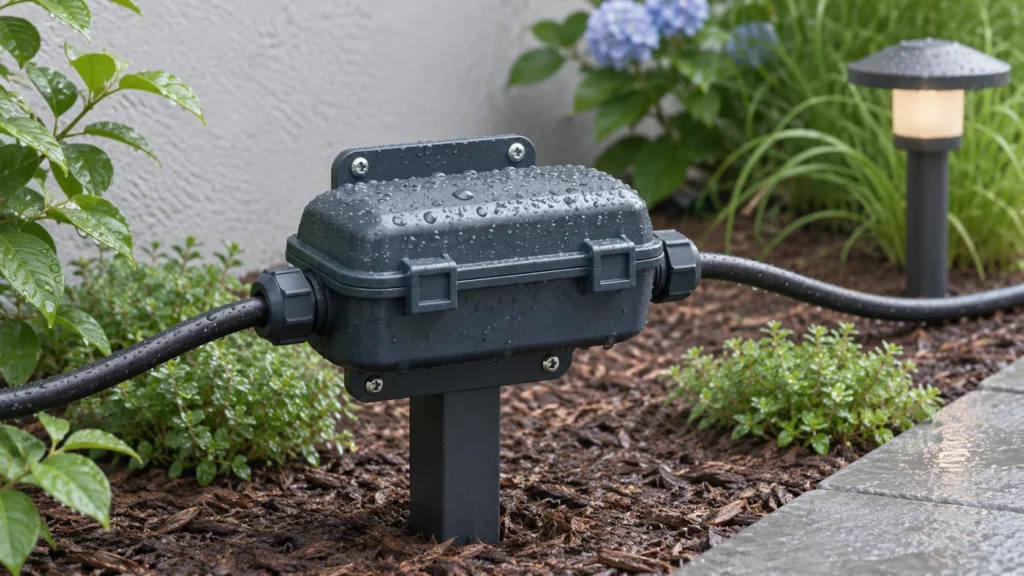
Choose an outdoor wire splice system by checking two separate things: whether the connector accepts your conductors and whether the complete assembly is suitable for its exposure. A strong electrical splice is not automatically moisture-resistant. An IP marking also does not, by itself, establish suitability for direct burial, sunlight, every chemical or every installation voltage. […]